


How to Recycle Electricals, Batteries & Packaging
Find out how you can play your part and reuse or recycle your waste electricals, batteries and packaging responsibly.
What role can you play?
Producers of electrical products, batteries and packaging have legal responsibilities to fund their recycling.
Consumers play a key role in reusing and recycling electricals, batteries and packaging to protect the planet and economy. Unwanted electricals, spent batteries and discarded packaging all contain valuable materials and by passing them on for someone else to use, repair or recycle, you can help the planet, and possibly your pocket, whilst putting valuable resources back into our circular economy.
Our research shows that uncertainty about what and where to recycle is the biggest barrier, leading to materials being wasted unnecessarily. To make reuse and recycling easier across the UK, we’ve gathered helpful information to guide you in responsibly disposing of electricals, batteries and packaging – every effort counts.
How to recycle your electricals
Electricals include anything with a plug, battery, or cable and contain valuable materials. To recycle them properly, check local recycling centres, retailer take-back schemes, or council collection services.

Understanding waste electricals and your role
What does the crossed-out wheelie bin symbol mean?
The crossed-out wheelie bin symbol reminds you that the whole product and any batteries or cables it uses must not be disposed of in your general waste.

Examples of electricals
Household Gadgets
Phones, mobile phones, TVs and TV remote controls, chargers, printers, radios, VCRs, DVD players, speakers, Hi-Fi, electronic toys

Large Appliances
Fridges, freezers, cookers, dishwashers, tumble driers, vacuum cleaners

Kitchen Appliances
Kettles, toasters, irons, blenders, coffee machines, bread makers, smoothie makers

Personal Care Gadgets
Hairdryers, straightens, curlers, electronic toothbrushes, shavers and hair clippers

Gardening Gadgets
Drills, power tools, sanders, lawnmowers, pressure washers, strimmers

Why should I recycle electricals?
The reuse and recycling of electricals helps prevent harmful materials from damaging the environment, while valuable components like gold, silver, and rare earth metals can be reused. Recycled materials can be used in everything from children's playgrounds to lifesaving equipment, while donated tech can help close the digital divide.

Where can I recycle electricals?
People have used this locator to find their local reuse and recycling point over a million times!

Find your nearest recycling point
Reuse before recycling
Consider donating your unwanted but useable electricals to trusted reuse organisations, where they will be repaired, tested, sold or given to those in need.

How to recycle your batteries
To recycle your batteries, take them to designated battery recycling bins at local recycling centres, supermarkets and shops that sell batteries. Never dispose of them in general waste.

Understand battery recycling and your role
What does the crossed-out symbol mean?
The crossed-out wheelie bin symbol reminds you that batteries must not be disposed of in your general waste.
Find your nearest recycling point
Recycling Locator

Recycling right
Most supermarkets and retailers with battery sales have in-store collection bins, so bring your used batteries along when you shop.
Recycling right
Most supermarkets and retailers with battery sales have in-store collection bins, so bring your used batteries along when you shop.
How to recycle your packaging
To recycle your packaging, sort it by material – cardboard, plastic, and glass – and place it in the correct wheelie bins at home. For large quantities, take it to your local recycling centre. Be sure to clean and flatten items to help the recycling process.

Find your nearest recycling point
Recycling LocatorWhat do all the packaging symbols mean
Recycling symbols are used to help identify the different types of packaging and if they are capable of being recycled. Our guide will help you increase what you recycle in and out of the home.
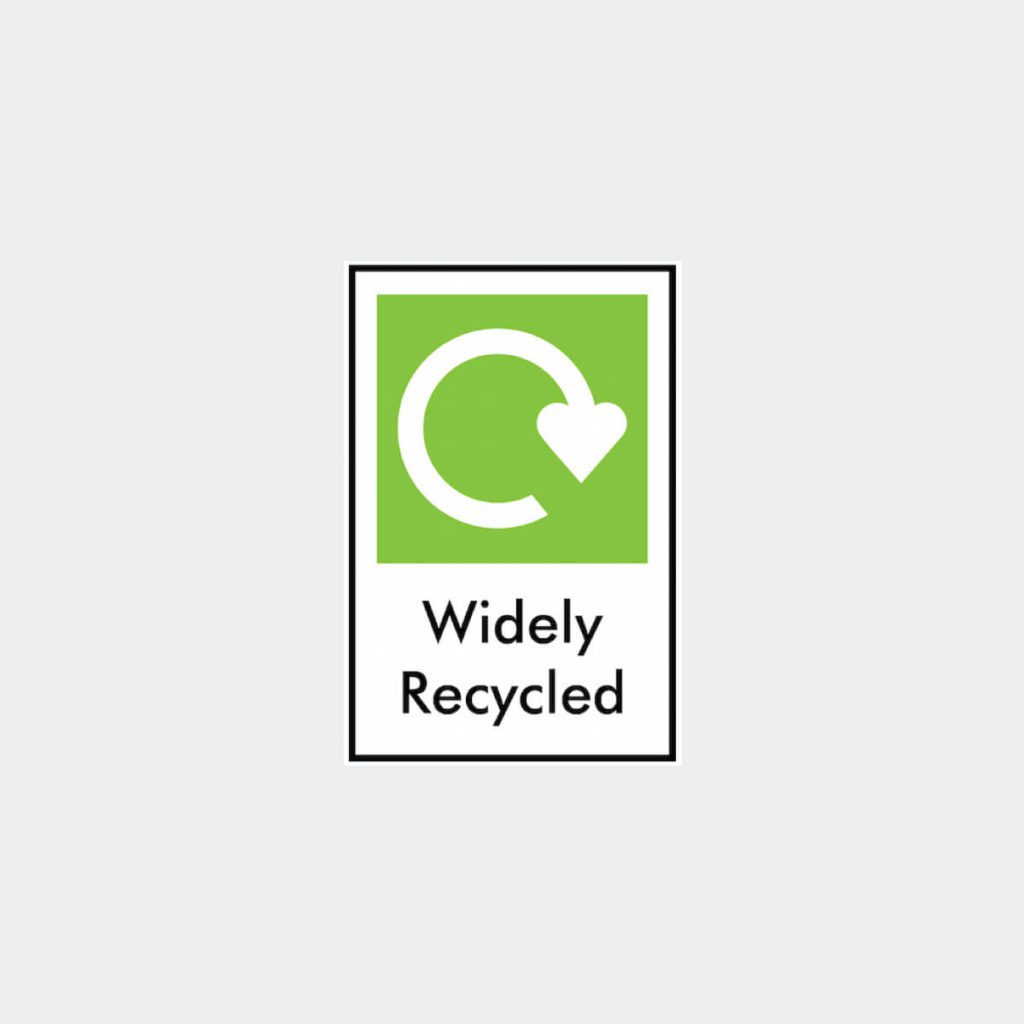
Widely recycled
This label means – 65% of people have access to recycling facilities for these items.
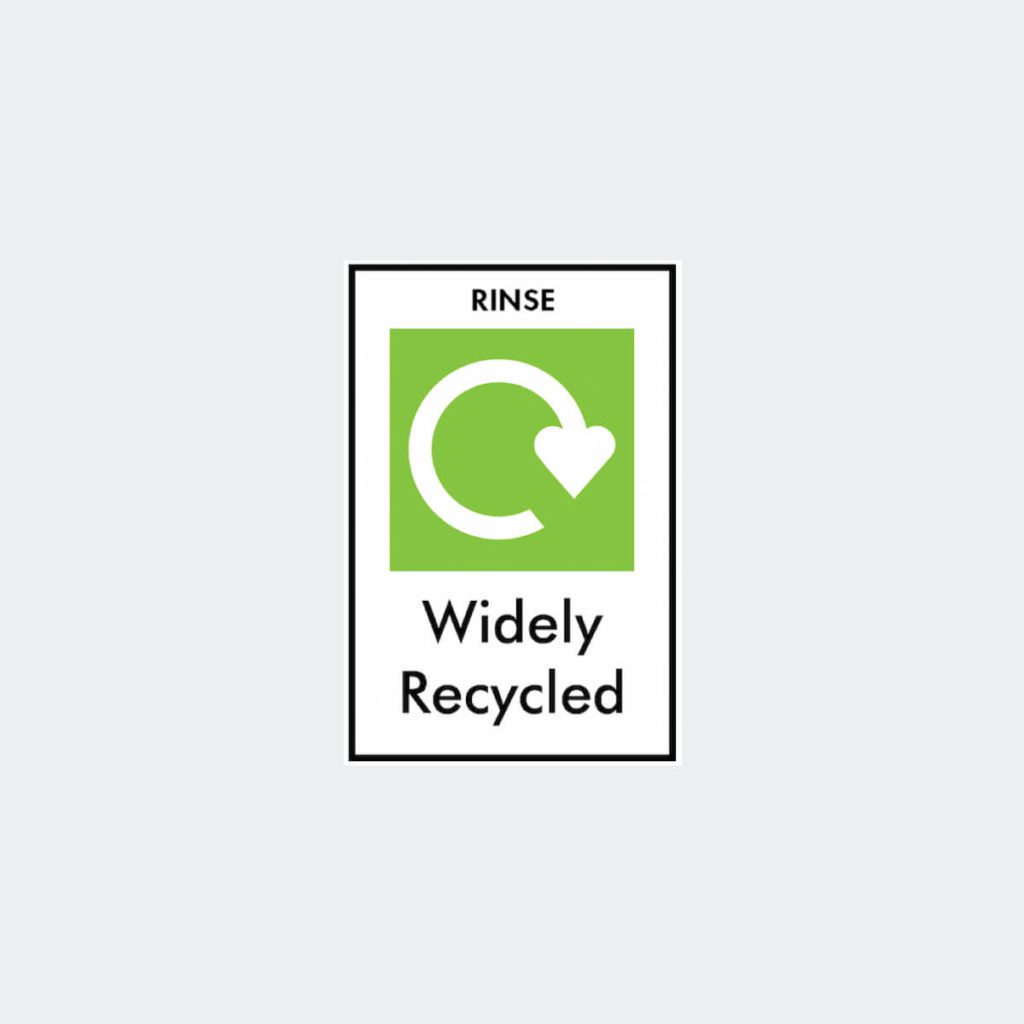
Rinse widely recycled
This label means you should rinse these items and put their lids back on.
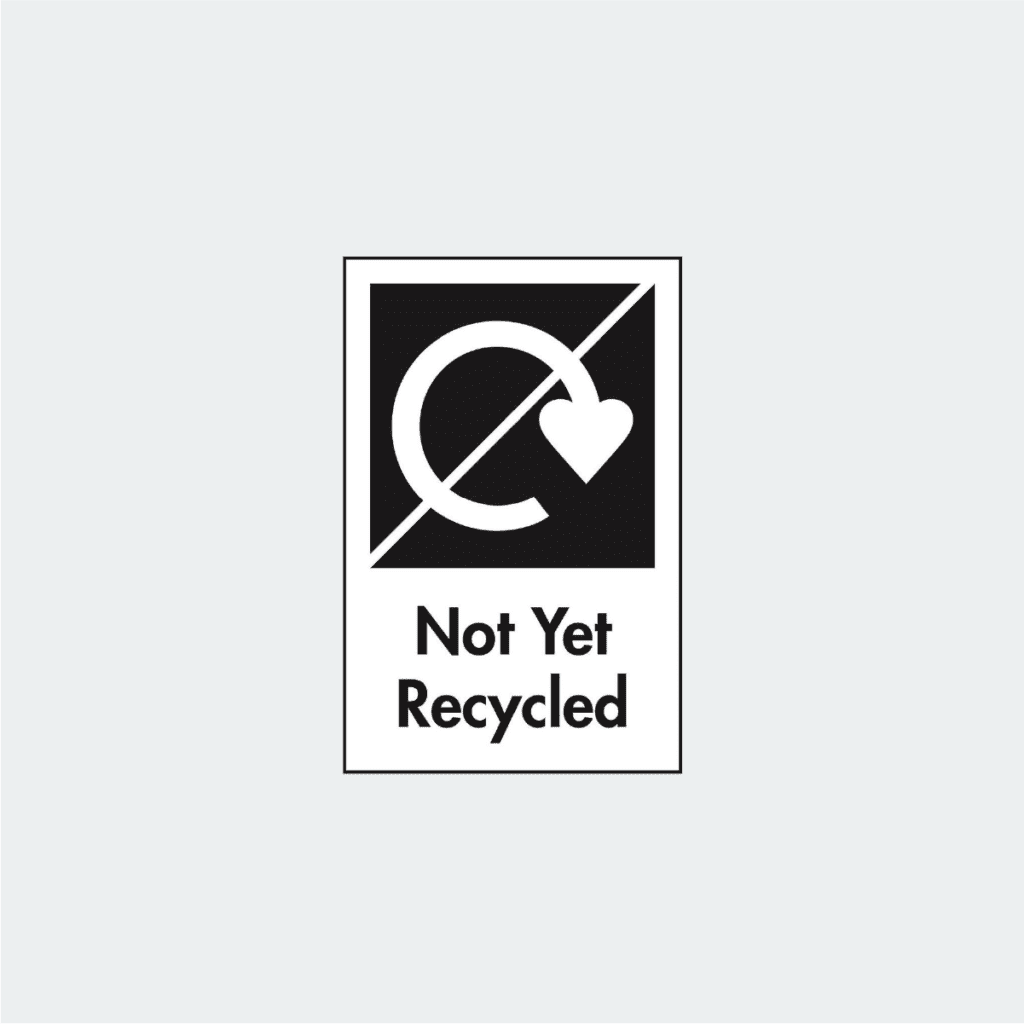
Not recycled
This label means less than 15% of people have access to recycling facilities for these items.

Green dot
This symbol is used on packaging in some European countries and signifies that the producer has made a financial contribution towards the recovery and recycling of packaging.
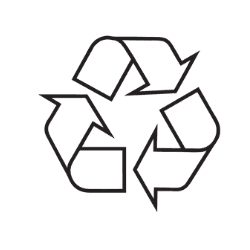
mobius loop
This symbol indicates that an object is capable of being recycled, not that the object has been recycled or will be accepted in all recycling collection systems.
PET
This symbol identifies the type of plastic used in the packaging. PET bottles are recycled by the majority of local authorities.
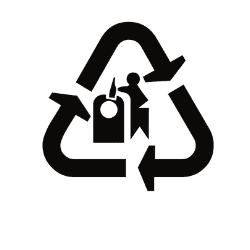
Recycle glass
This symbol asks you to recycle your glass container. Using your glass household waste recycling collection or recycled in coloured specific bottle banks.

Made from recycled aluminium
This symbol means that the product is made from recycled aluminium.

Made from steel
This symbol means that the product is made from steel. All local authorities collect steel cans for recycling.
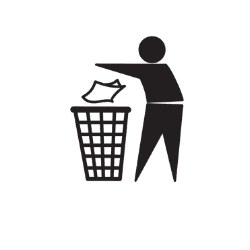
Keep Britain Tidy
This is the Keep Britain Tidy symbol and asks you not to litter.
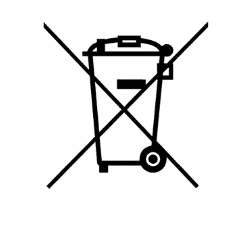
Crossed out wheelie bin
The crossed out wheelie bin symbol indicates that the product should not be discarded as unsorted waste but must be sent to separate collection facilities for recovery and recycling.

Seedling symbol
Products that are industrially compostable are given this seedling symbol for industrial composting. Compostable plastics with this logo should go in with your garden and/or food waste.
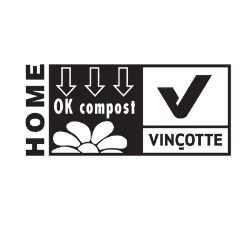
Home composted
This symbol means that it is suitable to be home composted.

Forest Stewardship Council
This symbol helps to identify wood-based products from well managed forest independently certified in accordance with the rules of the FSC.

Recycling right
Please remember to rinse and dry containers before recycling so more materials can be successfully reused.

Recycling right
Please remember to rinse and dry containers before recycling so more materials can be successfully reused.
Specific Waste Strategies