



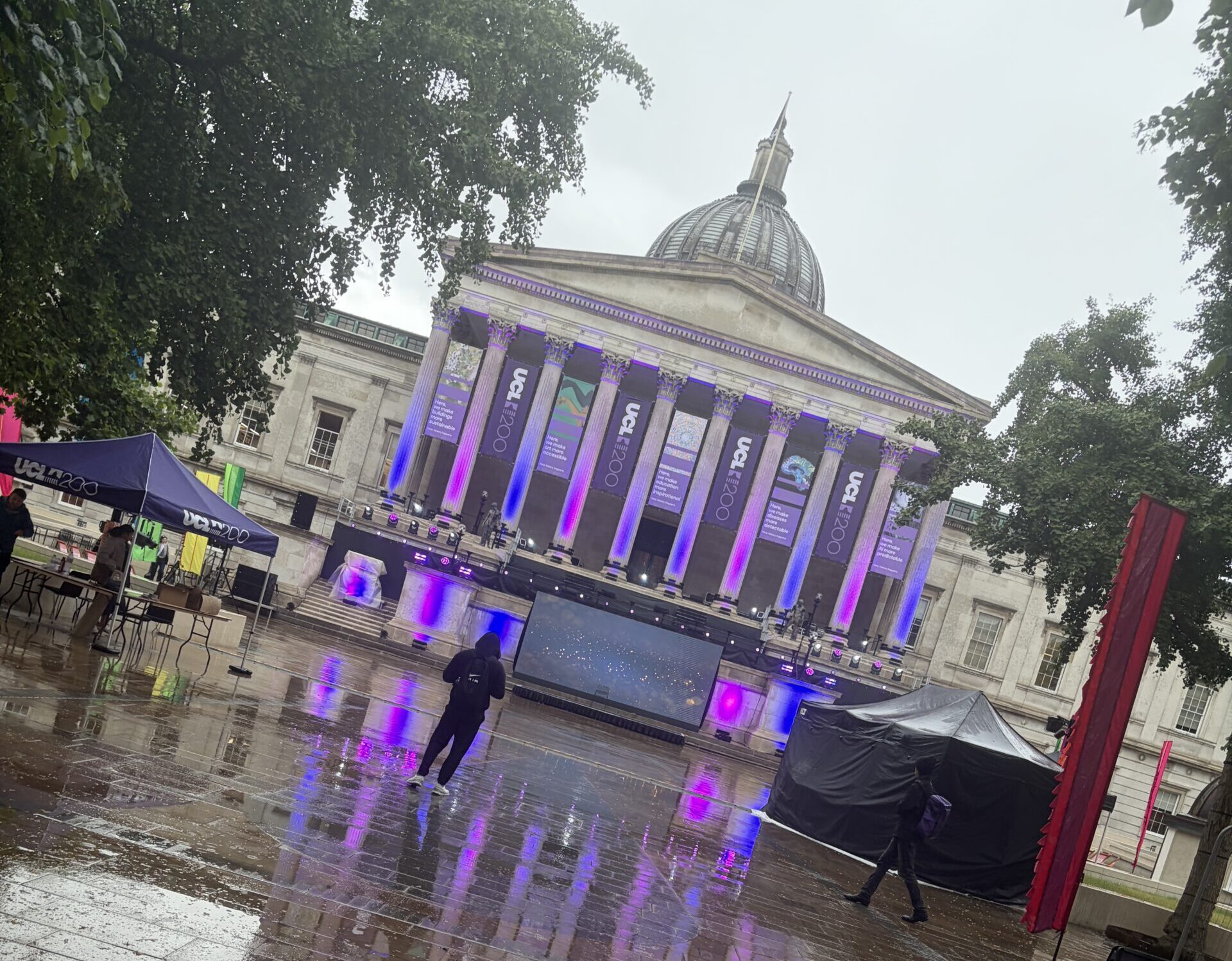
Yesterday, Ecogenesys, the UK’s leading waste electrical and electronic equipment (WEEE) compliance scheme, convened a unique cross-sector gathering in partnership with University College London’s (UCL) Policy Impact Unit and Dr Stijn Van Ewijk, Lecturer in Environmental Engineering at UCL, bringing together leaders from across the UK waste electrical and circular economy landscape for the first workshop session focused on:
 “Use Potential Assessment of Critical Mineral Recovery from Waste Electricals”
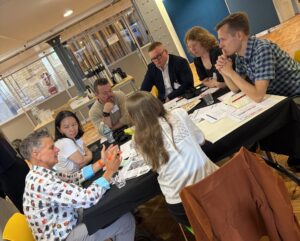 “Use Potential Assessment of Critical Mineral Recovery from Waste Electricals”
The event has been supported by UCL’s EPSRC 2022-27 Impact Acceleration Account Strategic Initiatives. The aim of the project is to better understand and help maximise the contribution the UK waste electrical sector can make towards the Government’s Vision 2035 Critical Minerals Strategy.
The project represents a significant step towards understanding how the UK can recover greater value from waste electrical streams, while strengthening domestic resilience, supply chain security and future industrial competitiveness.
From a conversation in Bonn to a national collaboration
The spark for the collaboration came following a FutuRaM consortium meeting in Bonn last November.
After hearing UCL’s presentation on its pioneering “use potential assessment” approach, representatives from Ecogenesys Research and UCL continued discussions. It quickly became apparent that the model could provide an important framework for helping the UK waste electrical sector navigate the challenges and opportunities presented by the Government’s Vision 2035 strategy.
Recognising both the urgency and complexity of the challenge, Ecogenesys partnered with UCL to create a forum capable of bringing together expertise from every stage of the circular economy value chain.
Ecogenesys’ role as sector facilitator
 Ecogenesys’ role as sector facilitator
As the UK’s leading WEEE producer compliance scheme, Ecogenesys is uniquely positioned to facilitate industry-wide collaboration of this scale.
Drawing on decades of operational experience alongside the capabilities of its Research Consulting division, Ecogenesys has brought together what is arguably one of the broadest and most representative groups ever assembled within the UK waste electrical sector.
Participants included:
- Government departments and agencies
- Academics and research institutions
- Producer Compliance Schemes
- WEEE processors and recyclers
- Local authorities and collection partners
- Re-use and remanufacturing specialists
- AI and robotics innovators
- Electrical producers and retailers
- Investors, NGOs and lobby groups
The objective is not simply discussion, but the creation of practical, evidence-based recommendations capable of helping shape future Government policy and investment priorities.
A sector at a turning point
Over the past 20 years, the WEEE sector has delivered substantial progress in collection, treatment and resource recovery.
However, the global lan dscape is changing rapidly.
The workshops explored how the sector can evolve to meet challenges, working together to identify barriers, opportunities and scalable solutions capable of supporting the UK’s transition towards a more resilient circular economy.
Industry expertise at the heart of today’s discussions
The opening session featured contributions from Ecogenesys, UCL and leading voices from across the sector, including:
- The Ecogenesys vision of engaging a wide range of stakeholders to contribute to solutions which are pragmatic, efficient and deliverable constructed on rational and sustainable commercial platforms
- UCL’s pioneering “use potential assessment” and its application to critical mineral recovery from waste electricals
- Two decades of WEEE sector progress
- Current operational realities across the WEEE sector
- The potential scale of critical mineral recovery from WEEE streams
Each session was delivered as a collaborative workshop, reflecting the belief that solutions will only emerge through collective sector insight and engagement.
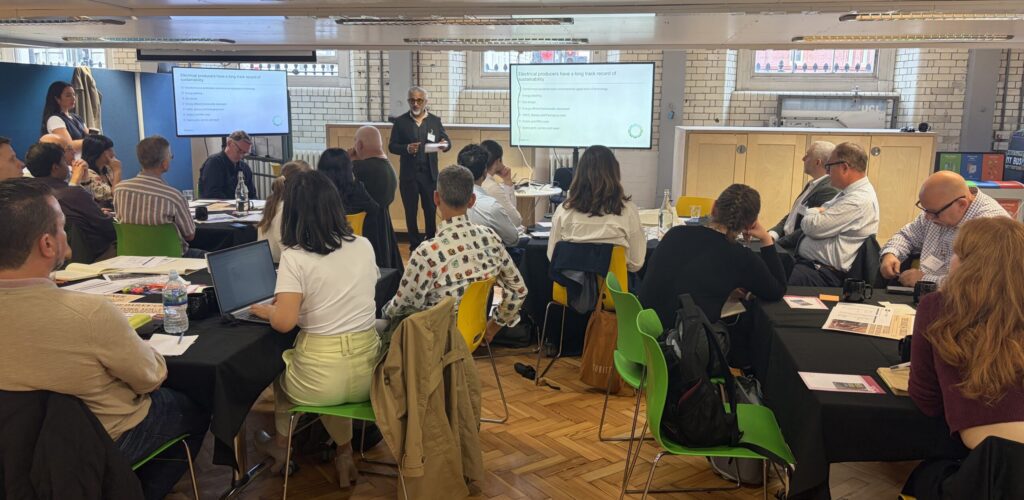
Abs Bokhari, Chairman of Ecogenesys, said
“Critical raw materials are becoming increasingly central to the economic resilience of UK PLC, manufacturing capability and national industrial strategy. The opportunity for our sector is not just simply about managing waste streams efficiently; it is also about understanding how waste electricals can contribute towards securing future resource supply for the UK.
“At Ecogenesys, we recognised that this conversation needed to bring together every part of the circular economy landscape. Our role is to help facilitate that dialogue, connect expertise across the sector and ensure that realistic, evidence-led, efficient and commercially sustainable recommendations can emerge from it – sustainable environment solutions can only be built on the foundations of sustainable commercial models.”
Andy Kellar, Principal Consultant at Ecogenesys Research, said:
“Over the last four years, Ecogenesys has played an active role within the wider FutuRaM project, contributing towards the development of the Urban Mine Platform – a major resource mapping the availability and recovery potential of secondary raw materials across Europe.
“What we have been able to do with UCL has taken that research a step further by directly looking at what is recovered today and what needs to be done to ensure the waste electrical sector maximises its contribution to the Government targets laid down in the Vision 2035 document.”
The next phase of the UK circular economy
This event is the first of two planned workshop sessions, with a second session already confirmed for September 2026.